The frontal Kop van Zuid skyline reflected in the River Maas at blue hour, Rotterdam

The Future Is Here and It’s Bright

Planet Earth, showing the oceans, continents and cloud systems of the eastern hemisphere

Fundamentally an Engineering Organisation

GCCEG is fundamentally an engineering organisation. Territorial understanding means identifying what waste is generated within a territory, its quantities, composition and current management, and assessing which streams are suitable as feedstock. Together with an understanding of existing infrastructure and environmental conditions, this establishes the design basis. Engineering judgement determines the response. Systems integration and implementation connect individual technologies with infrastructure whose operational performance can be measured.

Read more

The Raw Wealth of Waste

Discarded materials may contain recoverable value. Realising it begins with understanding composition, quantity, variability and contamination. Feedstock qualification, an appropriate processing route, usable outputs and credible demand determine whether potential becomes practical value.

Read more

Residues: Capture Is Not Disappearance

Treatment leaves products and residues that must be understood. Some retained materials can provide additional income where quality, lawful use, buyer acceptance and handling costs support recovery. Each stream needs a defined destination, whether it becomes a usable product or requires further management.

Read more

The Future Is Here and It’s Bright

GCCEG begins with understanding the territory. Its engineering decisions connect the available feedstock, the systems already in place and the consequences of intervention. Shared Responsibility gives allies a common purpose and clearly defined contributions; The Ally Principle preserves each ally’s identity, authority and accountability.

Read more

The Ally Principle

Meaningful progress requires allies. GCCEG contributes territorial understanding, engineering judgement and systems integration towards shared objectives. Each ally retains its own identity, authority and accountability. Shared Responsibility connects our purpose with clearly defined contributions and the consequences of acting together.

Read more

The World We Inherited and the World We Will Leave Behind

We inherit systems shaped by earlier decisions, and the infrastructure built today becomes part of another generation’s inheritance. Emissions, residues, maintenance and stewardship continue through time. Responsible engineering considers present conditions alongside the obligations passed forward.

Read more
Current Affairs
Current Affairs

Zero-Sum Waste End Game

A commitment to recognising value in waste, reducing environmental burdens and improving the inheritance we leave to future generations.

Read more

Our Pollution Solution Is Not a Delusion

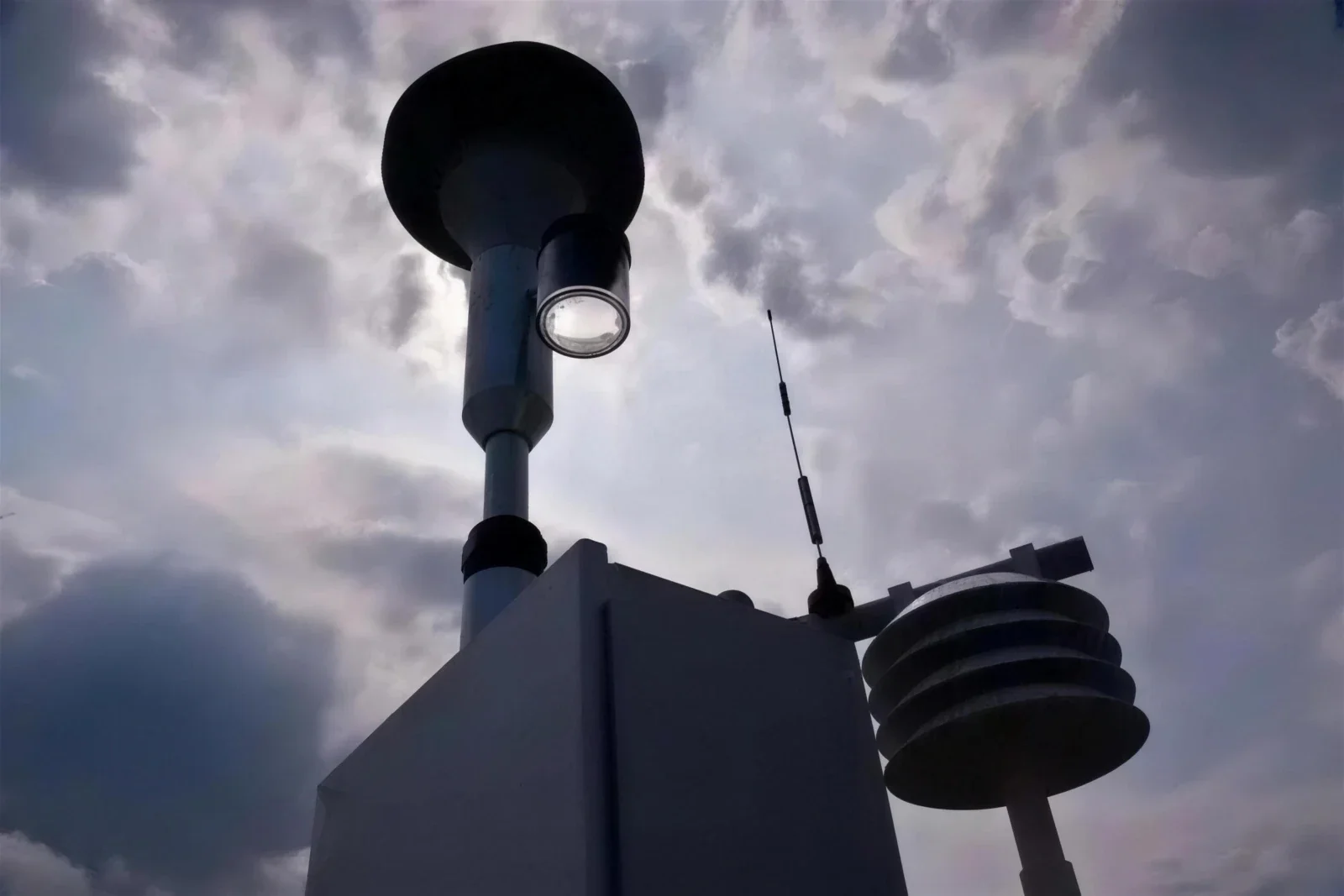
Air-monitoring equipment seen close up against a dramatic cloudy sky

Characterisation of Pollution

Pollution can move between air, water and land. Understanding its sources, composition and behaviour means tracing pathways and destinations, including what remains after treatment.

Air pollution

What leaves a source and what reaches a community are connected questions. Release conditions, pollutant chemistry, weather, background pollution and operating state all shape the evidence. A credible air account follows emissions beyond the stack.

Read more

Water pollution

Leachate, condensate, wastewater and contaminated runoff can carry environmental burdens beyond the treatment process. Their volumes, chemistry, controls and final destinations form part of the engineering account, including the residues created by water treatment.

Read more

Soil contamination

Material released or retained on land can connect soil with water, air and exposure pathways. Understanding contamination requires following what a stream contains, whether substances can move from it and how its storage, treatment and final destination are controlled.

Read more

Landfill burdens

Burial does not end material behaviour. Gas, leachate, abnormal heating and the possibility of fires create obligations that can continue through closure and aftercare. An alternative route should be judged by the complete environmental result it achieves.

Read more


Collective Responsibility / Victimhood

Planet Earth and humanity both bear the consequences of human activity, including industrial activity. Humanity is both a contributor to environmental burdens and a bearer of their effects. Humanity shares responsibility for this common condition, though contributions and consequences are uneven.

Read more
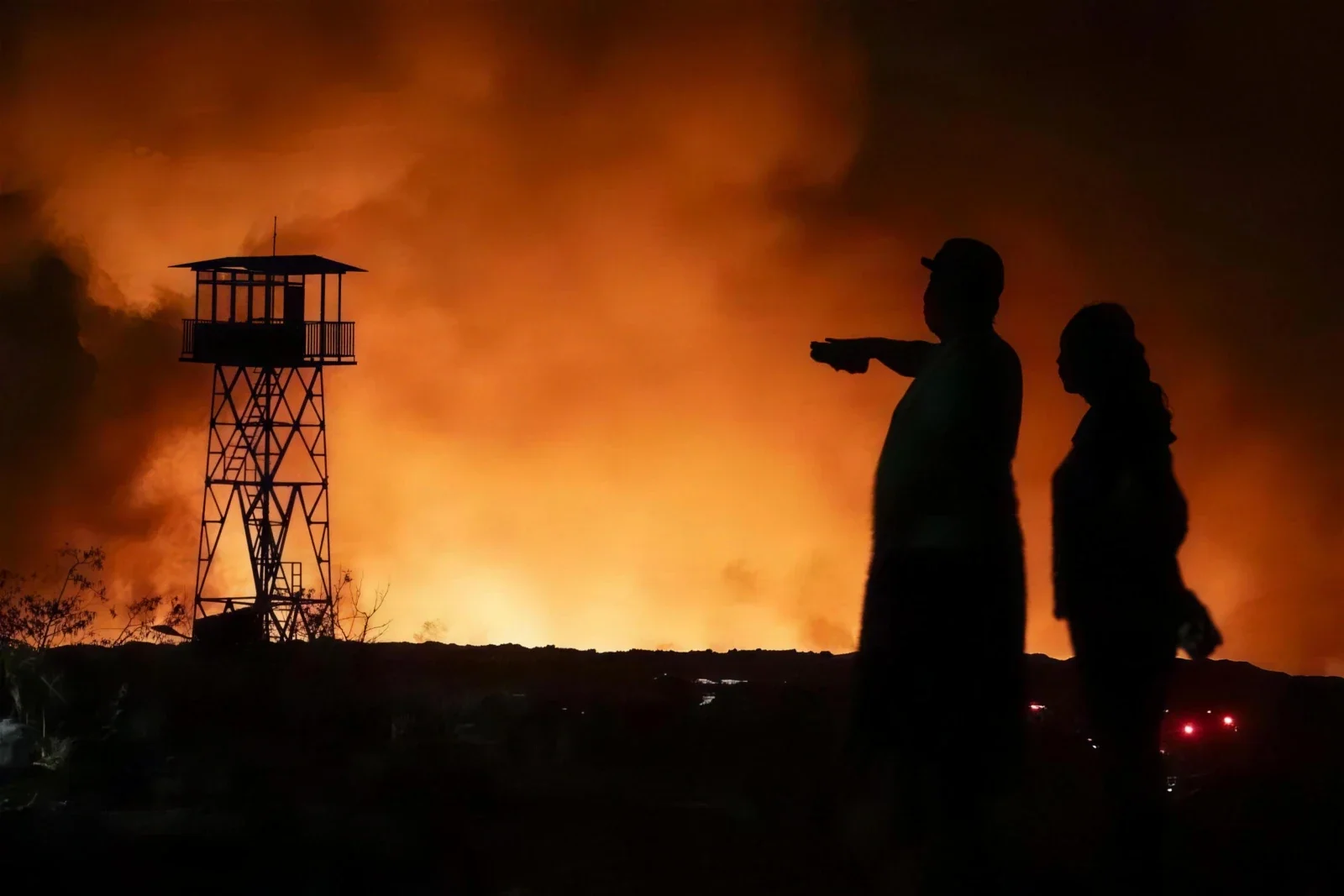
Two residents and a watchtower silhouetted against orange smoke from a night-time fire at Jatibarang landfill

Humanity-Assisted Natural Disasters

“Natural hazards” interact with human pressures, exposure, vulnerability and the capacity to respond. Environmental degradation, altered land use and weakened infrastructure can intensify consequences. The photograph above shows burning waste at Jatibarang landfill in Semarang, Indonesia, causing toxic air pollution. Understanding these relationships helps identify where responsible intervention can reduce avoidable burdens on both nature and humanity.

Read more
Ice falling from a glacier wall into water with floating ice, with mountains and clouds behind

Climate Change

Greenhouse gas emissions are part of the climate consequences of material and infrastructure choices. Understanding their contribution to warming requires a lifecycle account: feedstock origin, energy use, product destination and the system being displaced. A credible comparison makes those relationships and their uncertainties visible.

Read more

Introducing GCCEI Academy

Understanding Before Anything Else.

GCCEI Academy

GCCEI Academy develops understanding through inquiry, evidence and responsible judgement. Collaboration with GCCEG connects that learning with materials, systems and engineering decisions while preserving the identity of each institution.

Read more
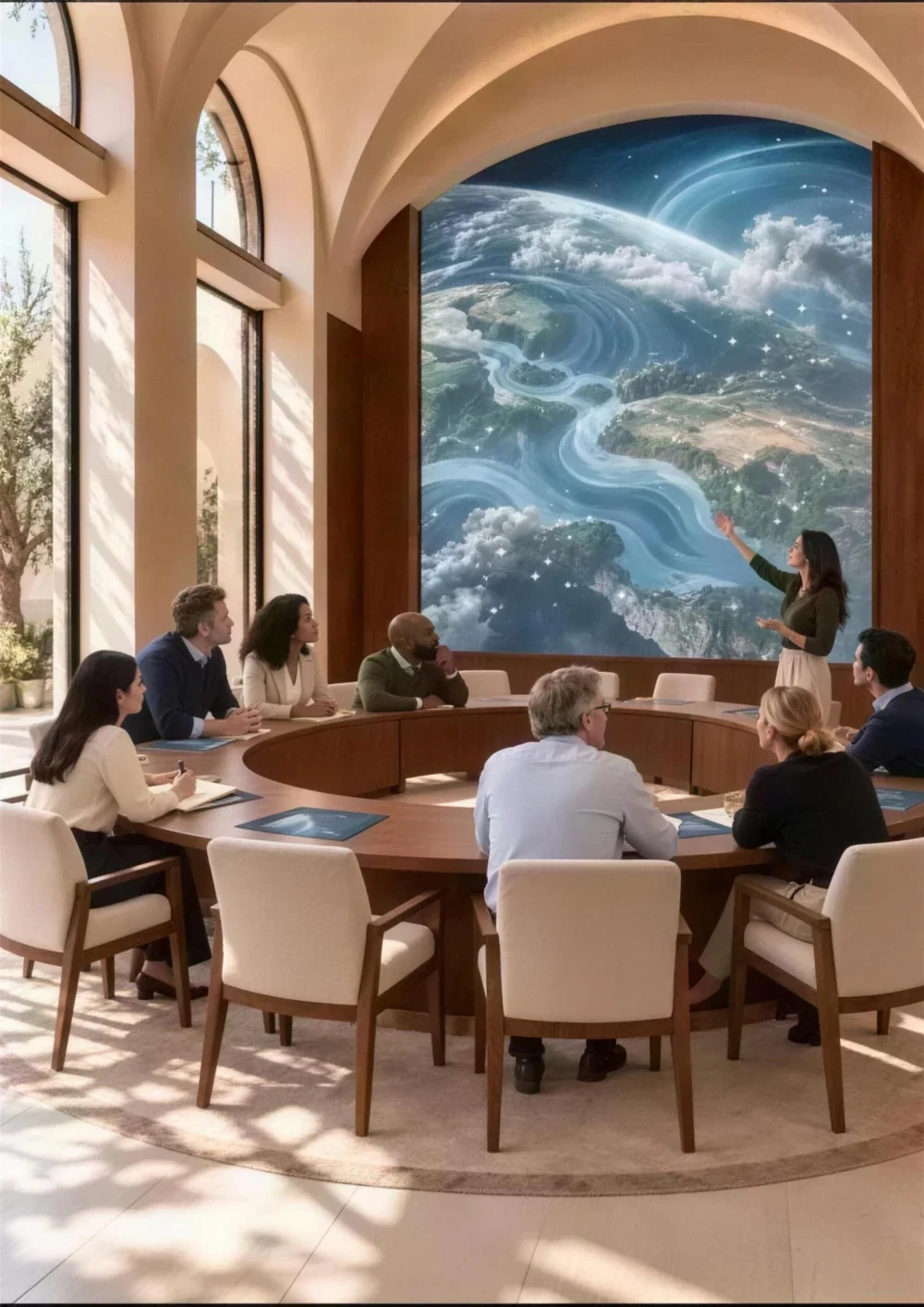
Younger and more mature students listening to a professor in a classroom with a digital environmental map

The Curriculum

Through its Library, Lab and Curriculum, the Academy cultivates the conditions in which knowledge continues to develop, ideas are examined, evidence explored, assumptions challenged and complexity approached with intellectual rigour, independence and curiosity.

Read more
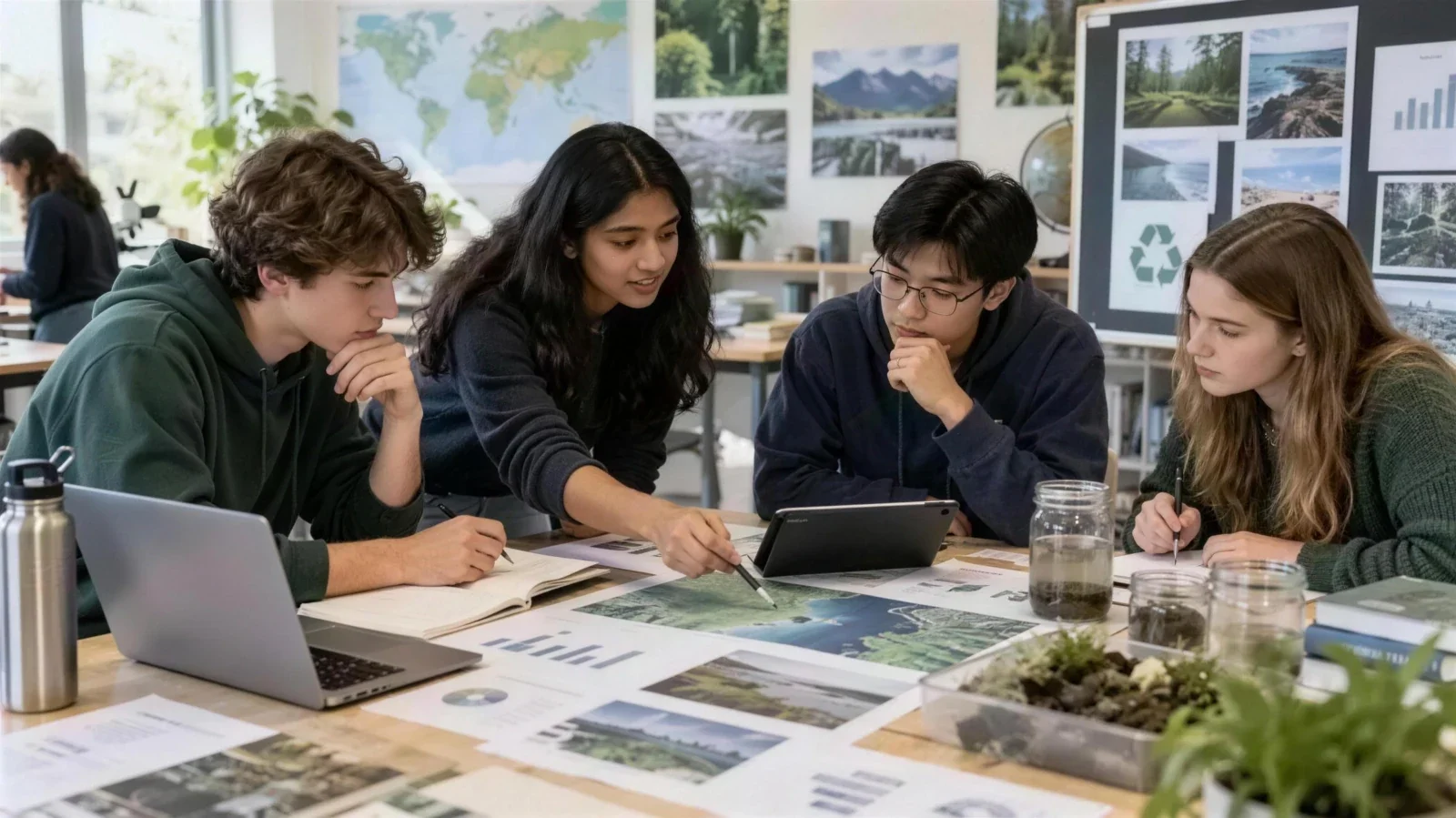
Four young people studying environmental maps and evidence together around a classroom table